
The layering principle is your most important tool when gravel biking in winter.
The days are getting shorter, the terrain more challenging. Winter on a gravel bike is different from winter on a road bike. The demands on equipment increase – unlike road cycling, the intensity off-road is often more variable – steep climbs will have you sweating, followed by cool descents in the shade of the forests.
To overcome these challenges, well-chosen gravel clothing is crucial in winter . It's not just about warmth, but also about thermoregulation and protection from wet and cold conditions. In this article, you'll learn how to best protect yourself from difficult gravel riding conditions with technical layering!
The perfect layering for winter gravel tours
The layering principle is your most important tool. By combining different layers, you create a microclimate that wicks away moisture and retains heat. Each layer fulfills a specific function to keep your body temperature stable.
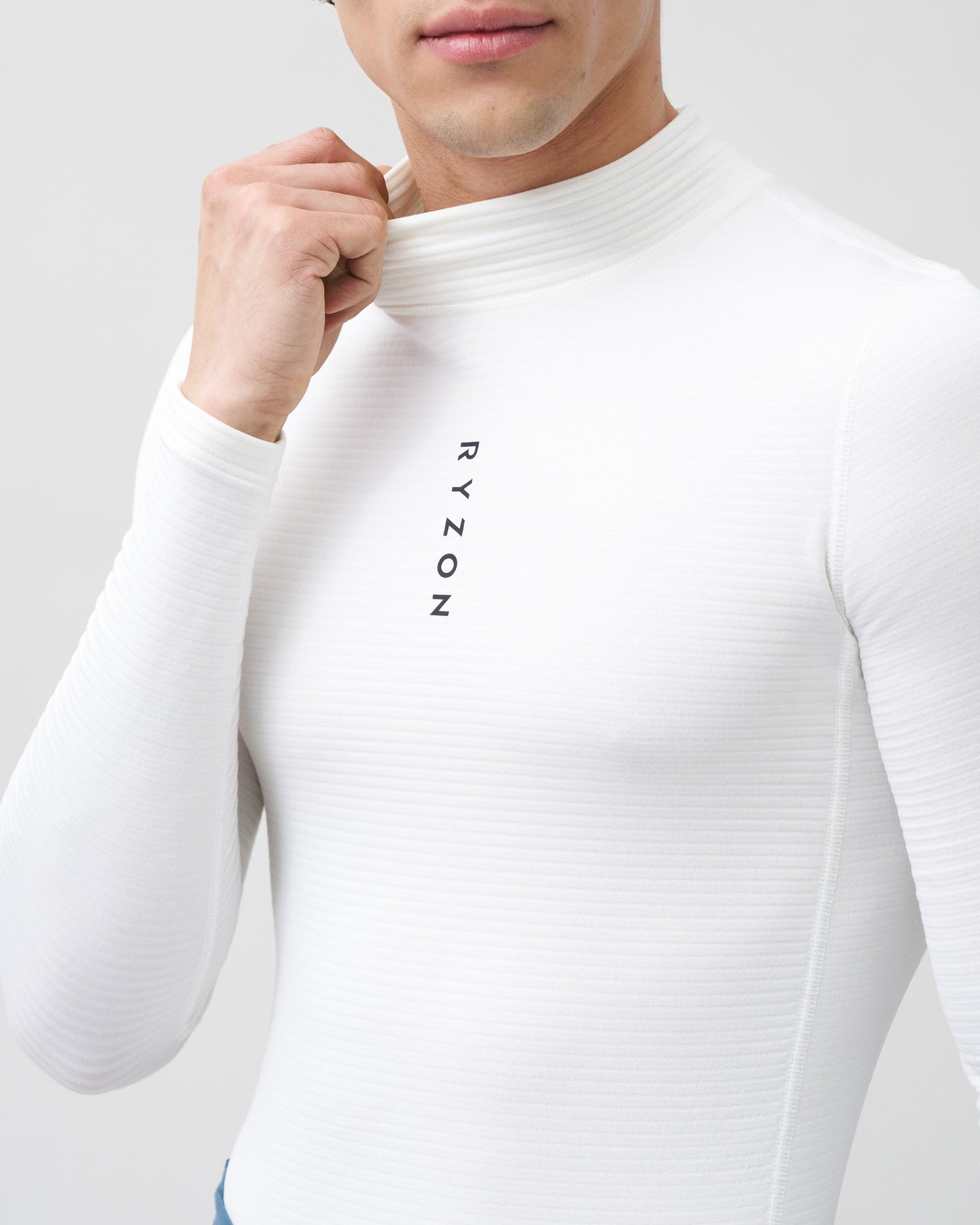
1. Baselayer: The foundation
The first layer on the skin. It must wick away moisture immediately so that you don't get cold during breaks or descents.
Breathability: High-quality fabrics quickly wick away sweat.
Warmth : Thanks to different types of base layers, you can react individually to the weather.
Tip: Breathable sports underwear can also be important for thermoregulation.
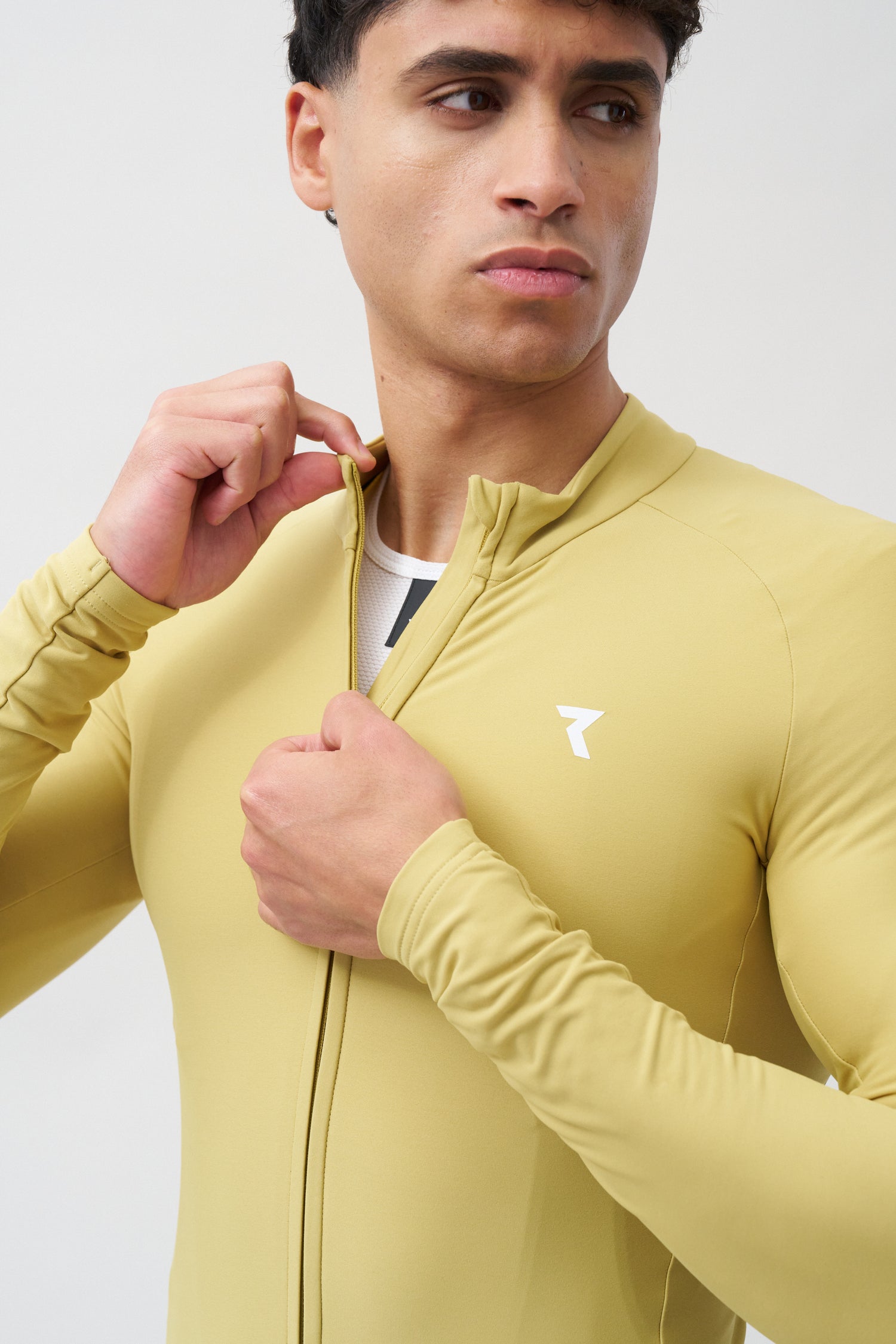
2. Midlayer: The Insulation
The intermediate layer stores body heat and allows excess heat to escape.
Fit: Mid-layer jerseys are cut aerodynamically close to the body to avoid cold spots, but offer enough stretch for full freedom of movement in technical terrain.
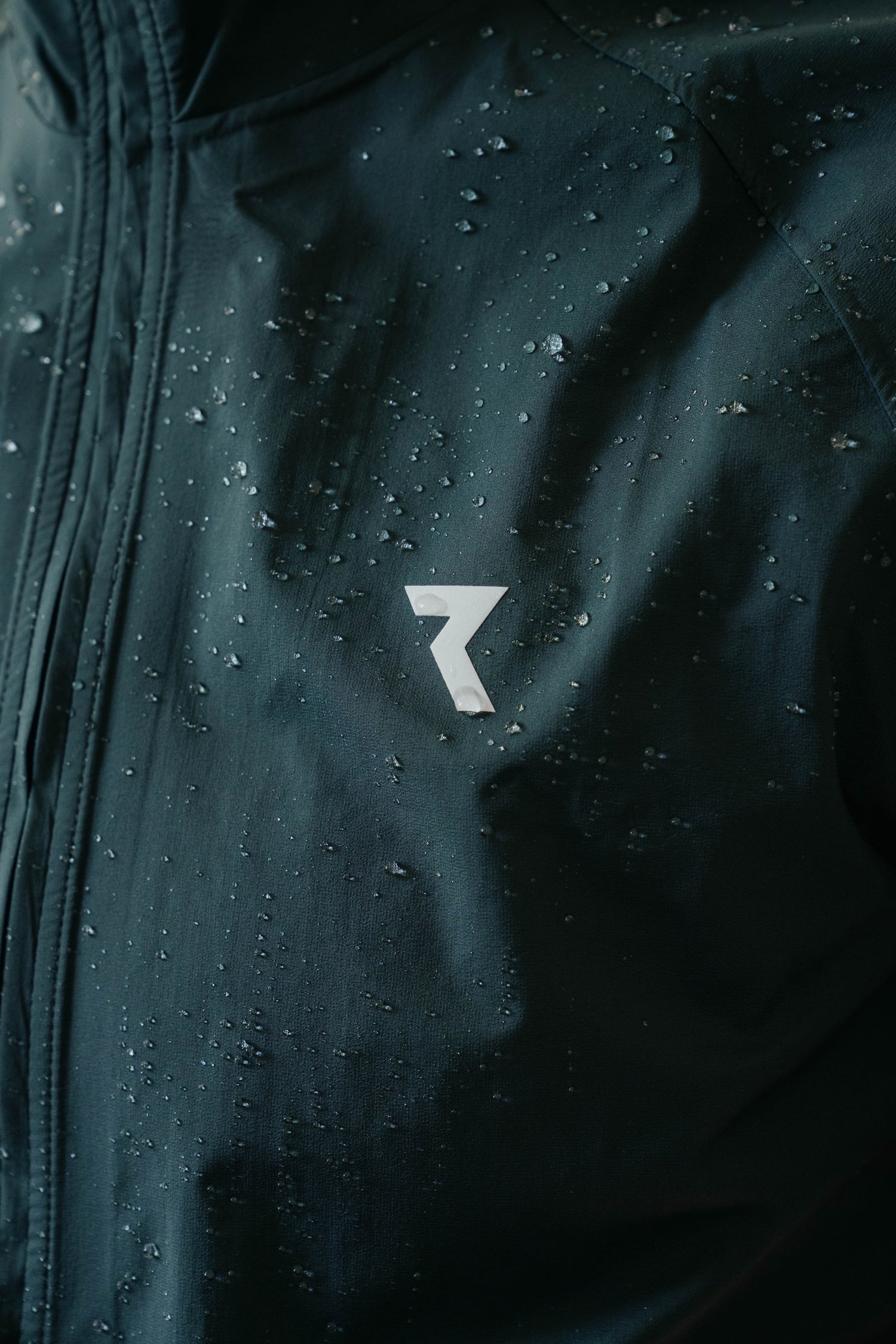
3. Outer layer: The protective shield
Protection from wind, splashes, and mud. The outer layer is your barrier against cold and wet conditions.
Wind/rain protection: Protects the upper body from cooling down during descents.
Small pack size: Should easily fit into a jersey pocket.
Our recommendation: Adapt your outer layer to the prevailing weather conditions. Choose between a windbreaker, a rain jacket, or various vests.
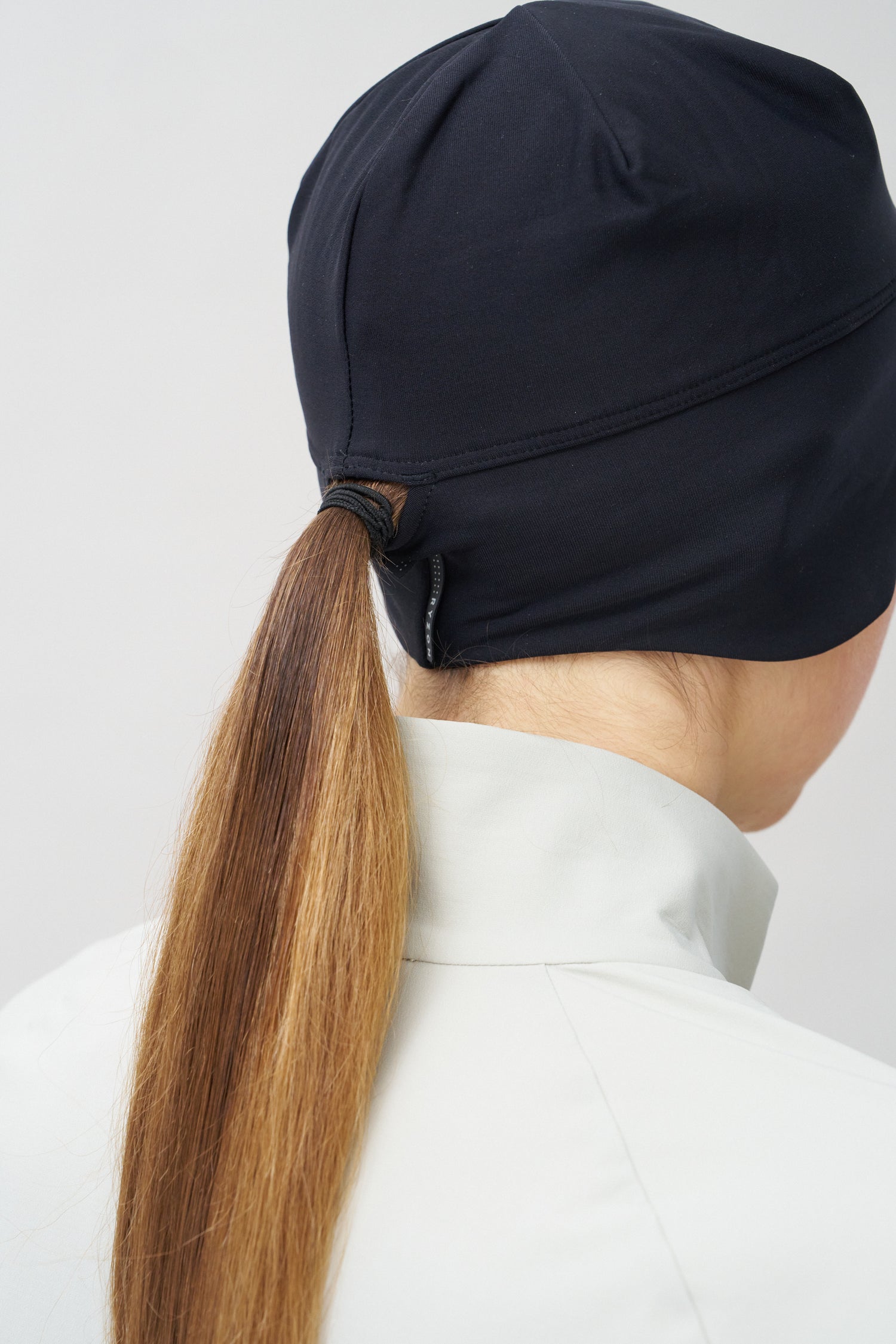
Additional information: Layering & essential accessories
Besides layering, other important accessories determine how relaxed your next tour will be.
To be prepared for any situation, you should complement your outfit with these gravel clothing basics :
Cycling shorts: Lined, long cycling pants with a windproof membrane protect your muscles from cooling down.
Socks, gloves & useful items : Merino socks, helmet caps and waterproof gloves are essential at temperatures below 5°C.
Safety and grip: More than just clothing
Gravel biking in winter often means riding at dusk and on slippery surfaces.
- Visibility: Look for reflective details on your gravel winter clothing , especially on moving parts like the legs.
- Lights: A powerful setup of front and rear lights is essential in grey winter light.
- Tires: Opt for wider tires with a deeper tread and drive with slightly lower air pressure for more traction on wet leaves or snow.
Questions from the community
-
The ideal gravel clothing for winter consists of a three-layer system:
A moisture-wicking baselayer , an insulating midlayer and a weatherproof outer shell (jacket or vest).
Don't forget accessories like merino socks, waterproof gloves, and a helmet cap.Adjust your clothing according to temperature and wet conditions.
-
Completely waterproof clothing is essential in continuous rain, but can restrict breathability at high intensity. For most gravel rides, water-repellent and windproof gear (softshell) is the better choice, as it allows for better body climate control.
-
There's no such thing as "too cold," only the wrong gear. With the right gravel winter layering, temperatures well below freezing are perfectly rideable. It's important to protect extremities like hands and feet.
Ready for winter?
Discover our collection of gravel clothing now and find your setup for the cold season.

